Bypass via DNS Change
Change DNS settings to route around ISP filters and keep Stripchat reachable across desktop and mobile devices.
Accessing stripchat without restrictions often requires a deeper understanding of network configurations, particularly the Domain Name System (DNS). By adjusting DNS settings, you can bypass certain blocks and enhance your browsing experience. This guide will help you understand what DNS is and how configuring it can grant you access to stripchat and other restricted content.
What is DNS?
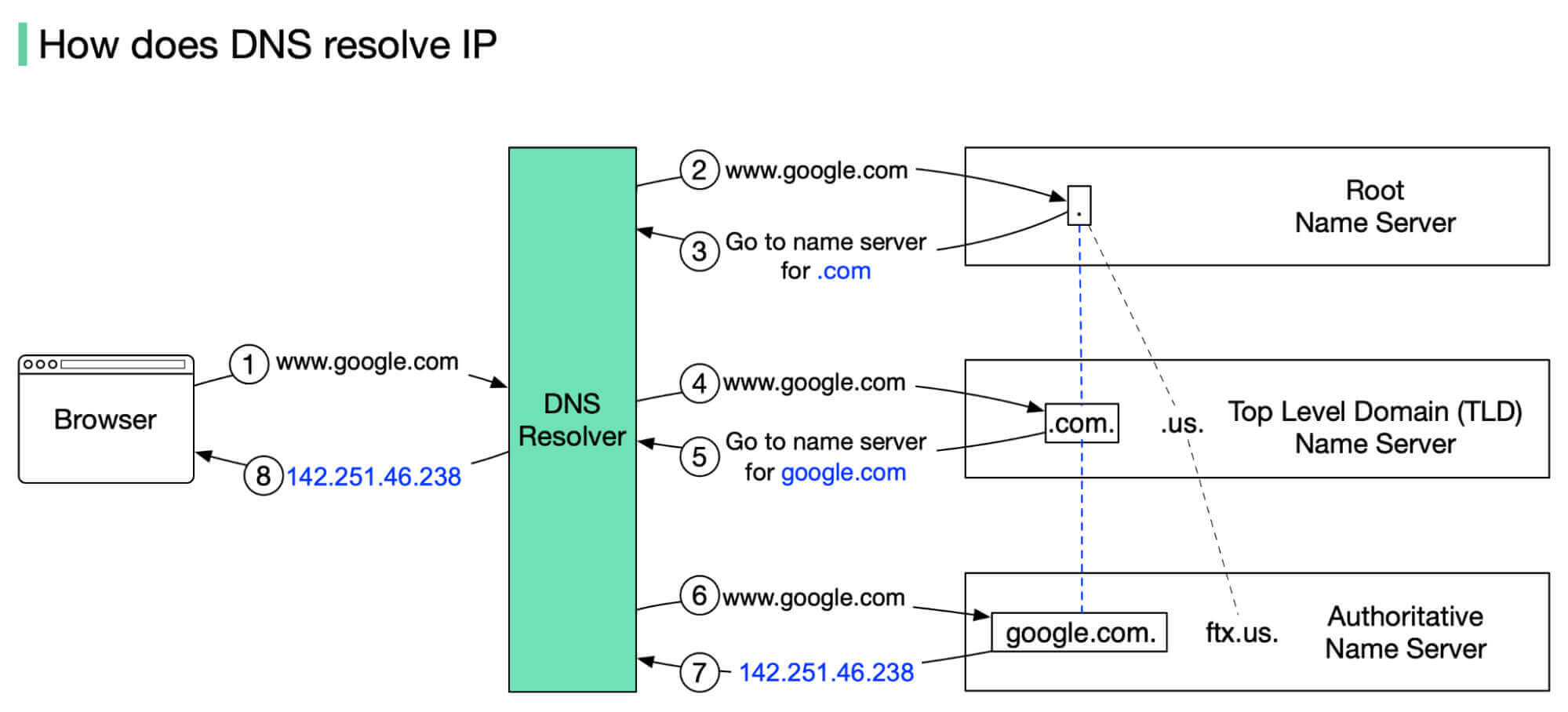
Domain Name System (DNS) is essentially the internet's phone book. It translates human-readable domain names like www.stripchat.com into machine-readable IP addresses like 192.0.2.1. This translation is crucial because, while humans prefer to remember domain names, computers and network devices interact using IP addresses.
How DNS Works
- Entering the Domain Name: You type www.stripchat.com into your browser's address bar.
- DNS Query Initiation: Your browser checks if it already knows the IP address (from cache). If not, it sends a DNS query to a DNS resolver.
- Recursive Lookup:
- DNS Resolver: Typically provided by your Internet Service Provider (ISP), it starts the process of finding the IP address.
- Root Server: Directs the resolver to the appropriate Top-Level Domain (TLD) server based on the extension (.com, .net, etc.).
- TLD Server: Provides the resolver with the authoritative name server for stripchat.com.
- Authoritative Name Server: Finally, it returns the IP address associated with stripchat.com.
- Connecting to the Website: Armed with the IP address, your browser establishes a connection to the website's server and loads stripchat.
Why DNS Matters
Some ISPs block access to certain websites by manipulating DNS responses, a technique known as DNS filtering or DNS blocking. By changing your DNS settings to a public DNS server, you can bypass these restrictions and access stripchat without issues.
Dynamic DNS (DDNS) Service
What is Dynamic DNS?
Dynamic DNS (DDNS) is a system that maps internet domain names to IP addresses and updates them in real-time. It allows a domain name to be assigned to a device with a dynamic IP address, updating the DNS records whenever the IP changes.
How DDNS Helps
- Consistent Access: If you're hosting content or services (like a personal media server) that you want to access remotely, DDNS ensures that your changing IP address doesn't prevent you from connecting.
- Accessing Blocked Content: While DDNS primarily helps with hosting and remote access, it can indirectly assist in bypassing regional restrictions by pointing to alternative servers or network configurations that aren't blocked.
Setting Up DDNS
- Choose a DDNS Provider: Services like No-IP or DynDNS offer free and paid DDNS solutions.
- Create an Account: Sign up and register a domain name or subdomain.
- Configure Your Device: Install a DDNS client on your computer or configure your router to update the DDNS service with your current IP.
- Access Your Device Remotely: Use the domain name to connect to your device from anywhere.
Static IP Address
Static IP address entries stay fixed unless manually changed.
Dynamic IP Address
Dynamic IP address assignments rotate whenever your ISP refreshes the lease.
How Dynamic IP Addresses Affect Access
Most home users have dynamic IP addresses. If you're experiencing issues accessing stripchat, it might be due to your ISP's DNS settings rather than your IP address type. However, changing your DNS server settings can help bypass these restrictions.
Change DNS settings
Switch your resolver to bypass ISP filters and improve privacy.
- Choose a DNS provider
Note the IPs for Cloudflare (1.1.1.1 / 1.0.0.1), Google (8.8.8.8 / 8.8.4.4), or OpenDNS (208.67.222.222 / 208.67.220.220).
After migrating to a new DNS provider, visit stripchat.com and ensure the site loads without ISP block pages.
Windows
- Control Panel - Network and Sharing Center
- Open adapter properties
Select Change adapter settings, right-click your connection, and open Properties - IPv4.
- Enter DNS addresses
Switch to Use the following DNS server addresses and enter your preferred/alternate IPs.
- Flush cache
Use `ipconfig /flushdns` in an elevated command prompt to clear stale records.
macOS
- System Settings - Network
- Add servers in DNS tab
Open Details/Advanced for your connection, use the DNS tab to add new server IPs, and remove old entries.
- Apply and flush
Click OK - Apply, then run `sudo killall -HUP mDNSResponder` if you need to clear caches.
Linux
- Network Manager
- Switch IPv4 method
Edit your connection, set IPv4 to Automatic (DHCP) addresses only, and list the DNS IPs separated by commas.
- Reconnect
Save the changes, reconnect, and flush caches with `sudo resolvectl flush-caches` if applicable.
Android
- Android Wi-Fi settings
- Modify network
Open Wi-Fi details, expand Advanced options, switch IP settings to Static, and set DNS 1 / DNS 2.
- Reconnect
Save the configuration and reconnect to ensure all traffic uses the new resolver.
iOS / iPadOS
- iOS Wi-Fi settings
- Configure DNS manually
Settings - Wi-Fi - (i) - Configure DNS - Manual; add new servers and remove the old ones.
- Save and test
Tap Save, toggle Wi-Fi, and confirm the new resolver via an IP check or by loading Stripchat.
- Preferred DNS Servers: You can use any reputable public DNS servers. Common options include Cloudflare (
1.1.1.1/1.0.0.1), Google (8.8.8.8/8.8.4.4), and OpenDNS (208.67.222.222/208.67.220.220). - ISP Restrictions: Some ISPs force their resolvers or inject filtering; if DNS changes fail, pair this guide with a VPN.
- Security Considerations: Stick to trusted providers and avoid random or unknown resolvers that could log or hijack traffic.
- Flush DNS Cache: After changing DNS, clear caches (
ipconfig /flushdns,sudo killall -HUP mDNSResponder, etc.) so new queries use the updated resolver. By following these steps tailored to your operating system, you should be able to change your DNS settings successfully and restore access to stripchat. This adjustment can also improve your overall internet experience by providing faster DNS resolution and enhanced privacy.
How to Change DNS in Your Browser
Step-by-step guides for various browsers to help you configure DNS-over-HTTPS (DoH) settings, enhancing your privacy and potentially unblocking access to restricted sites.
Enable encrypted DNS in browsers
Configure DNS-over-HTTPS for browsers that support it.
Chrome
- Chrome Security settings
- Enable secure DNS
Settings - Privacy and security - Security - toggle Use secure DNS - pick Google, Cloudflare, or a custom DoH URL.
Firefox
- Firefox Network Settings
- Turn on DNS-over-HTTPS
Preferences - General - Network Settings - Enable DNS over HTTPS - choose a provider or custom endpoint.
Edge
- Edge Security settings
- Use secure DNS
Settings - Privacy, search, and services - toggle Use secure DNS - pick from the provider list or enter a custom DoH address.
Safari
- Update system DNS
Safari relies on system DNS; change macOS/iOS DNS settings following the sections above to affect Safari traffic.
- DNS-over-HTTPS (DoH): Modern browsers implement DoH to enhance privacy and security by encrypting DNS queries. Changing DNS settings within the browser affects only the browser's DNS requests.
- ISP Restrictions: If changing DNS settings at the browser level doesn't resolve access issues, consider changing DNS settings at the operating system level or using a VPN.
- Browser Limitations: Some browsers may not support DNS configuration within the application. In such cases, adjusting DNS settings at the system level is necessary.
- Trusted DNS Providers: Always use reputable DNS providers to ensure security and privacy.
Glossary
Recursive DNS Server : Does the heavy lifting for Stripchat lookups by walking root - TLD - authoritative servers until it returns the final IP.
Root Server
: Top of the DNS tree that sends recursive resolvers to the correct TLD when they ask for stripchat.com.
TLD Nameserver
: Stores delegation info for .com/.net/etc. and points resolvers at Stripchat's authoritative nameservers.
Authoritative DNS Server : Holds the definitive Stripchat DNS records and replies with the canonical IP address.
DNS Resolver : The service (ISP or public) that accepts your Stripchat DNS queries, performs recursion, and caches results.
DNS Query
: The individual request your device makes to resolve stripchat.com into an IP address.
DNS Cache : Temporary storage of prior Stripchat lookups; clear it when records change or get poisoned.
Dynamic DNS (DDNS) : Auto-updates DNS records when IPs change, useful for home-hosted Stripchat mirrors on dynamic connections.
Static IP Address : Fixed IPs that keep self-hosted access nodes reachable without constant DNS updates.
Dynamic IP Address : DHCP-assigned IPs that change frequently; reconnecting can land you on an unblocked Stripchat subnet.
DNS-over-HTTPS (DoH) : Encrypts Stripchat DNS lookups inside HTTPS so ISPs can't monitor or tamper with them.
DNS Filtering : On-path manipulation of DNS answers to block or redirect Stripchat; bypass with custom resolvers.
Flush DNS Cache : Clears cached entries so new Stripchat IPs or resolver settings take effect immediately.
Secure DNS : Browser/OS toggle that forces encrypted DNS protocols (DoH/DoT) for all Stripchat queries.
DNS Lookup
: The full step-by-step process of resolving stripchat.com; tracing it pinpoints where blocks occur.
DNS Manipulation : Spoofing DNS answers to block or hijack Stripchat; encrypted DNS and DNSSEC detect it.
DNS-over-TLS (DoT) : Wraps DNS traffic in TLS on port 853, hiding Stripchat lookups from intermediaries.
DHCP (Dynamic Host Configuration Protocol) : Assigns IP and DNS settings; renewing leases can hop you onto an unblocked Stripchat-friendly address.